

Expert Summary for Coastal Residents
- The Season: March 1st through October 31st (Note: Leatherbacks begin nesting as early as March in PBC).
- The Mandate: Strict compliance with FWC and local municipal ordinances (Jupiter, Juno Beach, Tequesta).
- The Technical Solution: Transitioning to long-wavelength (560nm+) amber LED lighting and full-cutoff shielded fixtures.
- The ROI: High environmental standards correlate directly with the sustained premium valuation of the Jupiter and Juno Beach shoreline.
Living on the Atlantic is a privilege that extends beyond the horizon views. Between March and October, our beaches become a global nursery for three primary species: the Leatherback, the Loggerhead, and the Green Sea Turtle.
For owners of high-end oceanfront estates, the luxury of beachfront living comes with the prestigious role of coastal stewardship. At The Simmonds Team, we believe true expertise in Oceanfront real estate requires a deep understanding of the environmental mandates that protect our shoreline’s value, beauty, and biological integrity.
1. The “Lights Out” Protocol: A Technical Necessity
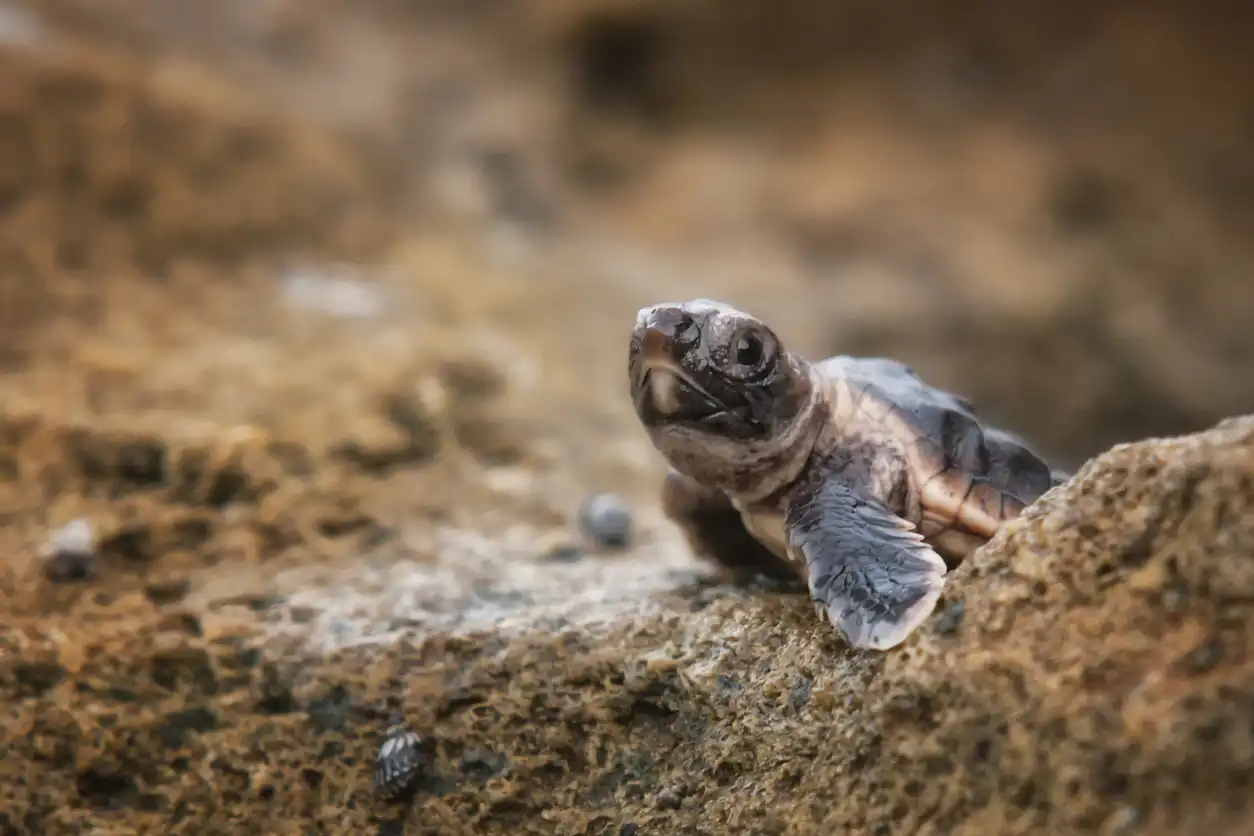
Sea turtle hatchlings are biologically programmed to navigate toward the brightest horizon—traditionally the moon’s reflection on the ocean. Artificial light “pollution” from beachfront estates causes life-threatening disorientation, leading hatchlings away from the surf.
The 560nm Standard
Standard “warm white” LEDs still emit a broad spectrum of light that confuses sea turtles. To remain compliant with Florida Fish and Wildlife Conservation Commission (FWC) standards, sophisticated homeowners should implement:
- Long-Wavelength Lighting: Utilize bulbs that emit light strictly in the 560 nanometer range or higher (appearing as deep amber or red).
- Shielding & Directionality: Fixtures must be “full cut-off,” ensuring the light source is not visible from the beach and is directed strictly downward.
- Smart Home Integration: We recommend automating “Lights Out” protocols via smart-home systems to ensure compliance by 9:00 PM, even when the residence is unoccupied.
2. Stewardship Guidelines for the Beachfront Backyard
Northern Palm Beach County—specifically Juno Beach and Jupiter Inlet Colony, consistently records some of the highest nesting densities in the world. As a resident, your property management should prioritize the following:
| Action | Technical Reason |
| Leveling Topography | Nesting females and hatchlings cannot navigate deep holes or sand mounds, leading to fatal exhaustion. |
| Removing Obstructions | Beach furniture and gear left overnight cause “false crawls,” where a mother returns to sea without nesting. |
| Dune Preservation | Native sea grapes and sea oats act as a natural light buffer and prevent coastal erosion. |
| Glass Tinting | Utilizing 15% transmittance glass (or lower) reduces interior light “glow” seen from the nesting line. |
3. Local Authority & Compliance Citations
Below are the primary resources for coastal residents:
| Organization | Responsibility | Resource Link |
| FWC | Statewide Lighting Regulations | MyFWC.com/SeaTurtle |
| Loggerhead Marinelife Center | Local Research & Conservation | Marinelife.org |
| Town of Jupiter | Code Enforcement & Ordinances | Jupiter.fl.us |
| PBC Environmental | Dune & Shoreline Management | PBCGov.com/ERM |
4. Why Stewardship Drives Property Value
Preserving our sea turtle population is an economic driver as much as an ecological one. Our region’s reputation as a pristine, world-class environment is exactly what sustains the high “price floor” for properties in Jupiter, Juno Beach, and Singer Island.
By supporting local entities like the Loggerhead Marine life Center, residents contribute to the data-driven conservation that keeps our beaches healthy and our communities globally recognized as leaders in “conservation-led luxury.”
Frequently Asked Questions
What are the fines for sea turtle lighting violations in Jupiter?
Violations can result in significant daily fines per light fixture. Local code enforcement works closely with the FWC to ensure 100% compliance during the nesting window to protect the local ecosystem.
Can I use red film or “turtle filters” over my existing outdoor lights?
While a temporary fix, most local ordinances require permanent, FWC-approved “Sea Turtle Certified” fixtures to pass the inspections required for oceanfront property certification.
Where is the highest density of sea turtle nests in Florida?
The beaches of Juno Beach and Jupiter are consistently ranked among the most densely nested stretches of coastline on the planet, often seeing over 200 nests per mile in peak years.
𝐉𝐨𝐡𝐧 𝐚𝐧𝐝 𝐀𝐦𝐲 𝐒𝐢𝐦𝐦𝐨𝐧𝐝𝐬, 𝐓𝐡𝐞 𝐒𝐢𝐦𝐦𝐨𝐧𝐝𝐬 𝐓𝐞𝐚𝐦
Local Jupiter real estate advisors with 45+ years of combined experience
Social Cookies
Social Cookies are used to enable you to share pages and content you find interesting throughout the website through third-party social networking or other websites (including, potentially for advertising purposes related to social networking).