

Expert Summary
The Core Idea: Coastal minimalism is more than a design style. In oceanfront markets, it is often a practical response to salt air, humidity, sunlight, wind, and long-term maintenance.
The Real Estate Advantage: High-performance glass, thoughtful airflow, durable materials, and simplified design can help protect both the daily enjoyment and long-term value of a coastal home.
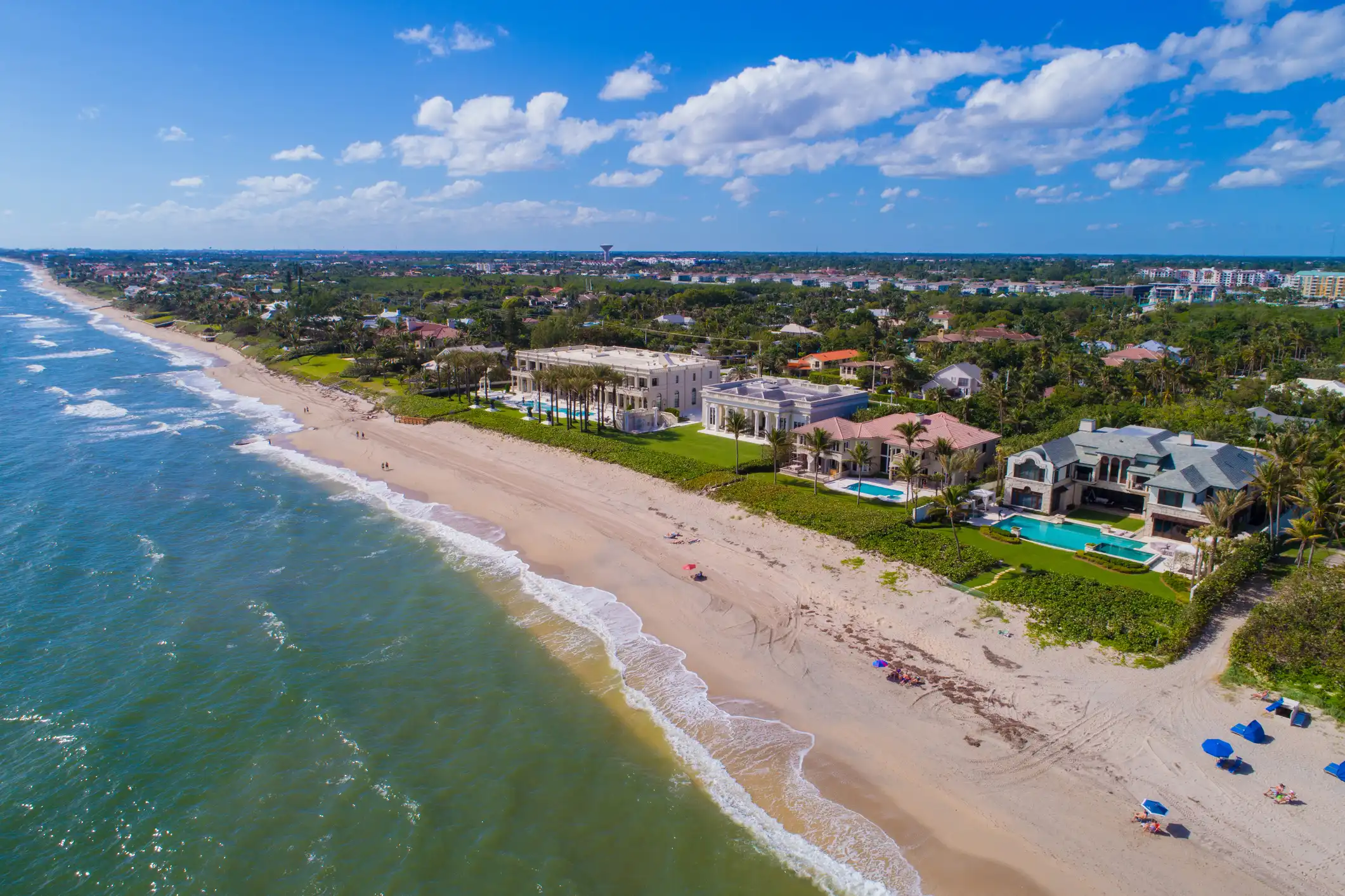
Where It Matters: In oceanfront and near-ocean communities such as Jupiter Island, Juno Beach, Jupiter Inlet Colony, and the Northern Palm Beach County coastline, design choices are not just about beauty. They are about performance.
When you walk into an oceanfront residence, your eyes naturally go straight to the water.
And they should.
The view is often the reason people fall in love with coastal living. But at The Simmonds Team, we also pay close attention to what is framing that view. In high-value coastal markets like Jupiter Island, Juno Beach, and Jupiter Inlet Colony, modern minimalism is not simply about clean lines or a more contemporary look. When done well, it is a smart response to the realities of living near the Atlantic.
Salt air, humidity, strong sunlight, wind exposure, and storm protection all matter. A beautiful oceanfront home should not only showcase the view. It should also be designed to hold up to the conditions that come with it.
That is where coastal minimalism becomes more than a trend. It becomes a strategy.
For buyers exploring Oceanfront Homes in Northern Palm Beach County, understanding these design choices can make a meaningful difference in both the ownership experience and long-term value.
Engineering the View: High-Performance Glass
Floor-to-ceiling glass is one of the defining features of modern coastal architecture. It brings in natural light, opens the home to the ocean, and creates the indoor-outdoor connection that so many buyers want.
But along the coast, glass is never just glass.
In an oceanfront home, the quality of the windows and doors can have a major impact on comfort, efficiency, storm protection, insurance considerations, and long-term maintenance. Buyers should look beyond the size of the glass and evaluate the performance of the system itself.
Important features may include:
Impact-rated windows and doors
In coastal South Florida, impact glass is a major part of storm protection and peace of mind. The strength, rating, and installation quality of these systems matter.
Low-E glass coatings
Low-E coatings help manage heat and UV exposure. This is especially important in homes with large expanses of glass and direct sunlight, where interior finishes, flooring, artwork, and furniture can fade over time.
Large sliding or folding glass systems
Well-designed glass walls can create a seamless transition between indoor living areas and outdoor terraces, pools, patios, or oceanfront entertaining spaces.
For buyers, the question should not simply be, “Does the home have big windows?”
A better question is, “How well is this home’s glass system designed to protect the property, preserve the view, and support daily living?”
How a Coastal Home Breathes
One of the most overlooked parts of coastal design is airflow.
An open floor plan is not only about creating a lighter, more modern feel. In the best coastal homes, the layout and openings are often planned to help the home breathe.
When doors, windows, and living areas are thoughtfully positioned, a home can capture natural breezes and move air more efficiently through the space. This is especially valuable in South Florida, where humidity control is part of everyday ownership.
Good airflow can help with:
Reduced strain on HVAC systems
Coastal HVAC systems already work hard because of heat, humidity, and salt exposure. Natural ventilation may help reduce some of that strain.
Better humidity management
Air movement helps limit stagnant areas where moisture can collect. In a coastal environment, this matters for comfort and long-term maintenance.
A better living experience
There is a noticeable difference in a home that feels fresh, open, and naturally connected to the outdoors. It is one of those details buyers often feel immediately, even before they can explain why.
The Simmonds Team Insight
This is something we look for when walking through a coastal property. A home that “breathes” well usually feels different. It often lives better, feels more comfortable, and may be easier to maintain over time.
That is the difference between a home that only photographs well and a home that truly functions well.
Resilience Through Material Selection
The “Salt Air Tax” is real.
Anyone who owns property near the ocean understands that coastal living comes with additional maintenance considerations. Salt air, humidity, sand, wind, and sun exposure can all affect materials over time.
This is one reason modern coastal minimalism has become so practical. Clean lines, durable surfaces, marine-grade metals, and low maintenance materials are not only aesthetic choices. They are ownership choices.
Highly detailed woodwork, heavy fabrics, delicate finishes, and ornate materials may look beautiful, but they do not always age well in a salt-air environment. Modern coastal design often favors surfaces and finishes that are easier to clean, less vulnerable to moisture, and better suited to long term use.
For buyers comparing coastal properties, this is also where local experience matters. A home may look beautiful online, but the materials, exposure, and maintenance profile can tell a much deeper story once you understand the realities of living close to the water.
Coastal Material Considerations
| Material Choice | Performance Capability | The Strategic Advantage |
| Sintered Stone | Zero porosity | Salt air cannot easily penetrate; highly resistant to UV fading and staining. |
| Grade 316 Stainless | Marine-grade metallurgy | Better resistance to pitting and corrosion than standard stainless steel. |
| Bio-Digital Composites | Moisture-resistant | Replicates the appearance of natural wood or stone while reducing the risk of warping, rot, or moisture damage. |
| Large-Format Porcelain | Minimal grout lines | Reduces the surface area where salt, grit, and moisture can accumulate. |
By choosing clean lines and durable materials, the home becomes easier to maintain, and the view remains the focal point.
In the best coastal homes, the materials do not compete with the ocean. They quietly support the lifestyle around it.
Why Minimalism Works So Well Near the Ocean
Minimalism is sometimes mistaken for being cold or sparse. In a coastal home, it can actually create the opposite effect.
The ocean already provides the drama.
The movement of the water, the changing light, the horizon, the sky, and the natural landscape are the main visual features. Minimalist architecture allows those elements to lead.
That is why many timeless oceanfront homes use:
- Clean sightlines
- Natural textures
- Neutral palettes
- Larger openings
- Fewer visual interruptions
- Durable flooring and wall surfaces
- Seamless indoor-outdoor transitions
The result is a home that feels calm, open, and intentionally connected to its setting.
For buyers in Jupiter Island, Juno Beach, and Jupiter Inlet Colony, this matters because the setting is often the primary value driver. The architecture should enhance that setting, not distract from it.
Buyers considering both oceanfront and Intracoastal settings may also want to compare design and maintenance considerations across Waterfront Homes in Northern Palm Beach County, where exposure, dockage, views, and lifestyle priorities can vary significantly from property to property.
What Buyers Should Look For
When evaluating an oceanfront or near-ocean home, buyers should look beyond the staging, furniture, and photography.
A beautiful room can be redesigned. The deeper components of the home are often far more important.
Key questions include:
How strong is the exterior envelope?
Review the impact windows, doors, roof, garage doors, and storm protection systems.
How well does the home manage sunlight?
Consider glass quality, orientation, shading, and UV protection.
Are the materials appropriate for salt-air living?
Look closely at metals, railings, cabinetry, flooring, hardware, and exterior finishes.
Does the home feel fresh and well ventilated?
Pay attention to airflow, humidity, and how the home feels at different times of day.
Will the design age well?
The strongest coastal homes are often the ones that feel timeless rather than overly trendy.
This is where experienced local guidance matters. Two homes may look similar online, but their long-term ownership experience can be very different.
Frequently Asked Questions
Is a minimalist home harder to keep clean near the beach?
Usually, no. Minimalist design often uses larger-format surfaces, fewer grout lines, simpler details, and durable materials that are easier to clean and maintain. In a coastal environment, that can be a major advantage.
Does an open layout affect hurricane safety?
The interior layout itself does not determine hurricane safety. What matters most is the strength and quality of the exterior envelope, including the roof, windows, doors, garage doors, and structural systems.
Why are engineered and composite materials becoming more common in coastal homes?
Many engineered materials offer the look of natural wood, stone, or marble while performing better against moisture, salt air, UV exposure, and wear. In oceanfront homes, that combination of beauty and durability is especially valuable.
Why does material selection matter so much in Jupiter and Juno Beach oceanfront homes?
Because salt air, humidity, sun exposure, and wind can accelerate wear. The right materials can help reduce maintenance, preserve the look of the home, and protect long-term value.
Summary: Architecture as a Lifestyle Support System
Great coastal architecture should feel effortless.
It should frame the view, support the way you live, protect the property, and respond quietly to the realities of the oceanfront environment. The best homes do not rely only on beautiful staging or impressive photography. They reveal their quality through how they are built, how they breathe, how they handle the elements, and how well they age.
At The Simmonds Team, we help buyers look beyond the surface. In coastal markets such as Jupiter Island, Juno Beach, Jupiter Inlet Colony, and the surrounding Northern Palm Beach County shoreline, understanding the difference between style and performance is essential.
Oceanfront living is one of the most special lifestyles in South Florida. The right home should make that lifestyle easier, more comfortable, and more enduring.
Explore Oceanfront Properties for Sale to see how thoughtful coastal design, resilient materials, and extraordinary settings come together along the Northern Palm Beach County coastline.
𝐉𝐨𝐡𝐧 𝐚𝐧𝐝 𝐀𝐦𝐲 𝐒𝐢𝐦𝐦𝐨𝐧𝐝𝐬, 𝐓𝐡𝐞 𝐒𝐢𝐦𝐦𝐨𝐧𝐝𝐬 𝐓𝐞𝐚𝐦
Local Jupiter real estate advisors with 45+ years of combined experience
Social Cookies
Social Cookies are used to enable you to share pages and content you find interesting throughout the website through third-party social networking or other websites (including, potentially for advertising purposes related to social networking).